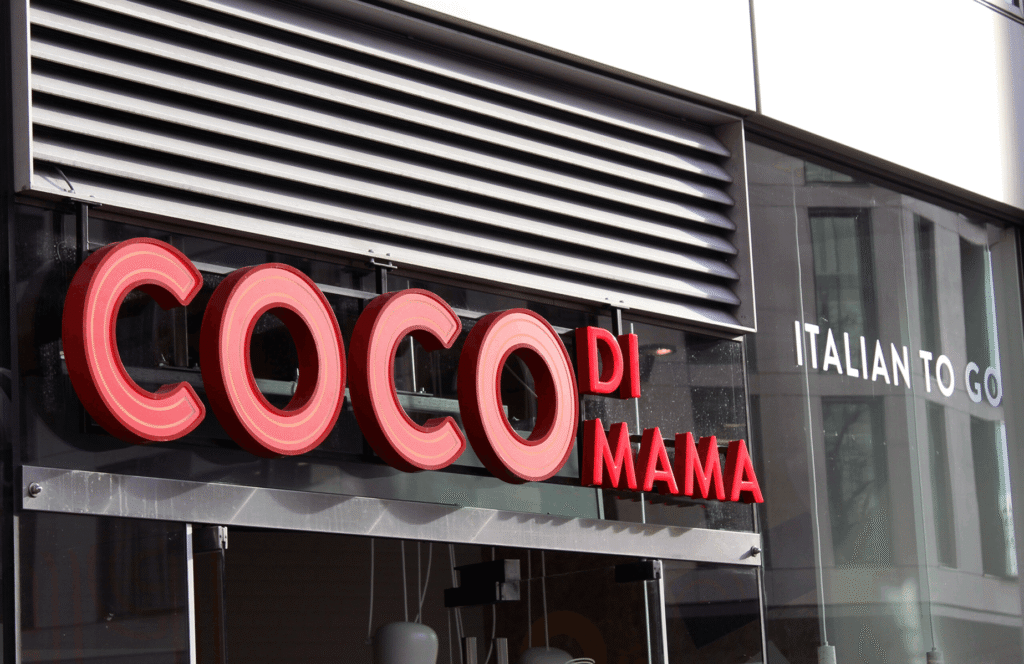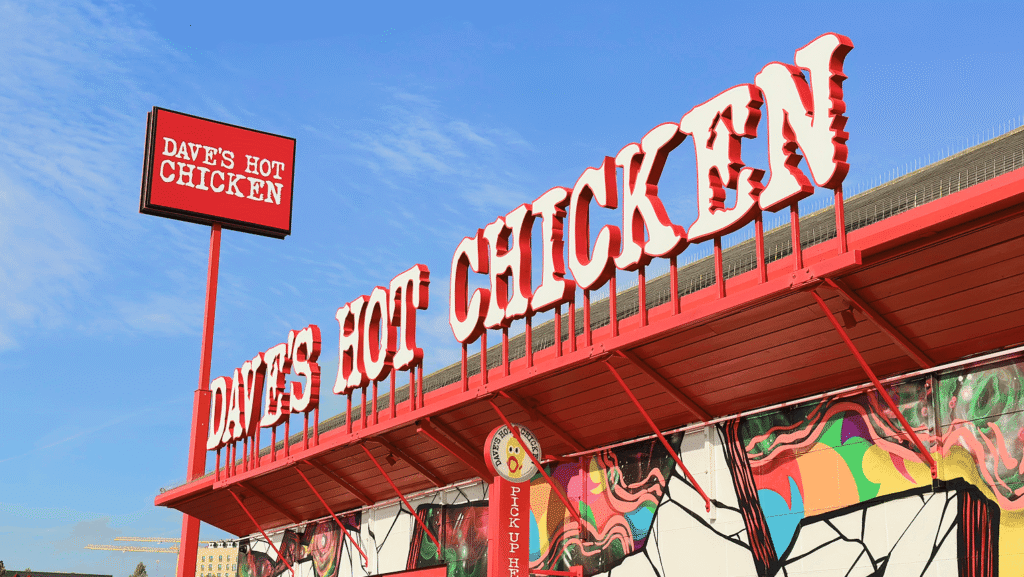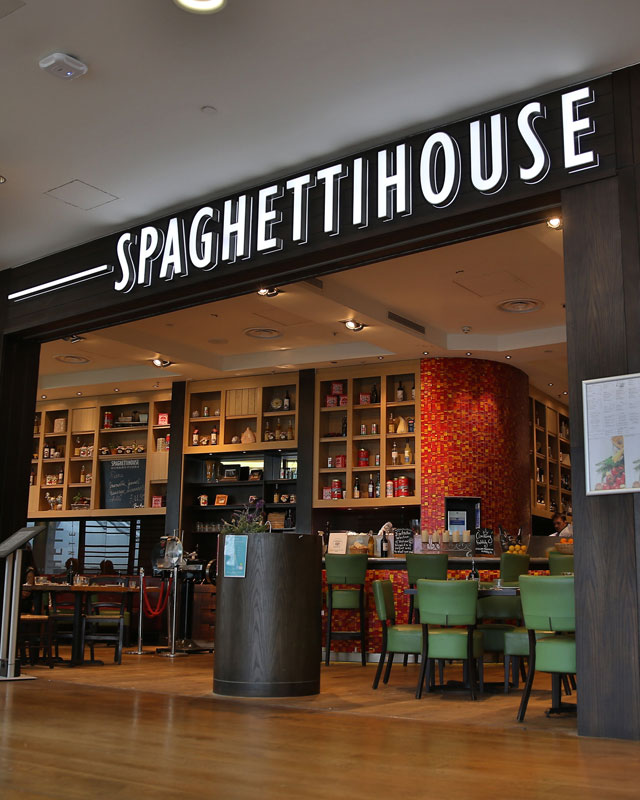


A rollout succeeds when customers recognise the same retailer at each location and installation teams know what is different at each site. A clear programme for retail signage combines standard brand rules with a record of local conditions.
Create a common sign schedule
Give each sign type a reference and record its purpose, preferred material, artwork owner and maintenance requirements. Use the schedule to connect entrance signs, internal directions, department markers and campaign display systems. List which items are essential for opening and which can be delivered separately.
Survey stores before freezing quantities
Capture the location, dimensions, substrate and access for each planned sign. Store formats may share a brand standard while needing different fixing methods or sizes. Record local constraints alongside photos and mark any item that needs further information, such as access outside trading hours or coordination with another contractor.
Trial the design in a representative store
Use a pilot to review the signs from normal customer positions. Check that the entrance is recognisable, that directions appear before decisions and that messaging is legible under store lighting. Record what the pilot changes in the approved specification before placing orders for later sites.
Plan batches around operational dates
Group work by store readiness, location and access requirements. Agree who confirms each site is ready and who signs off finished work. Give installers a current schedule and a route for raising discrepancies, so decisions about local changes are recorded consistently.
Keep a record for future changes
Retain approved artwork, finish references and photographs of completed installations. Label versions of artwork and identify panels that can be replaced independently. Those records make it easier to respond to a store refresh or replace a damaged sign without redesigning the whole scheme.
Talk to Technical Signs about planning a retail signage programme for your estate.