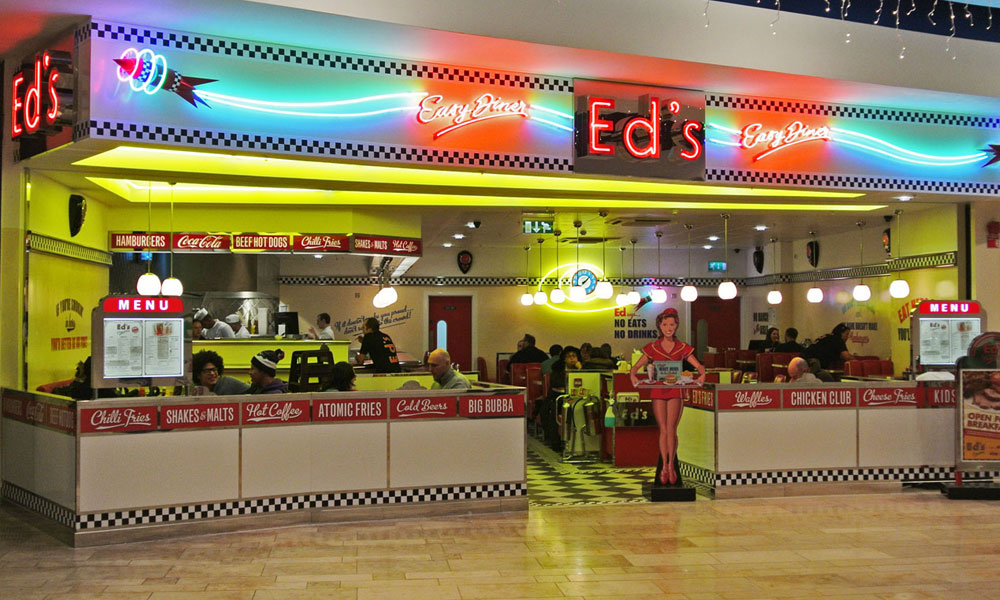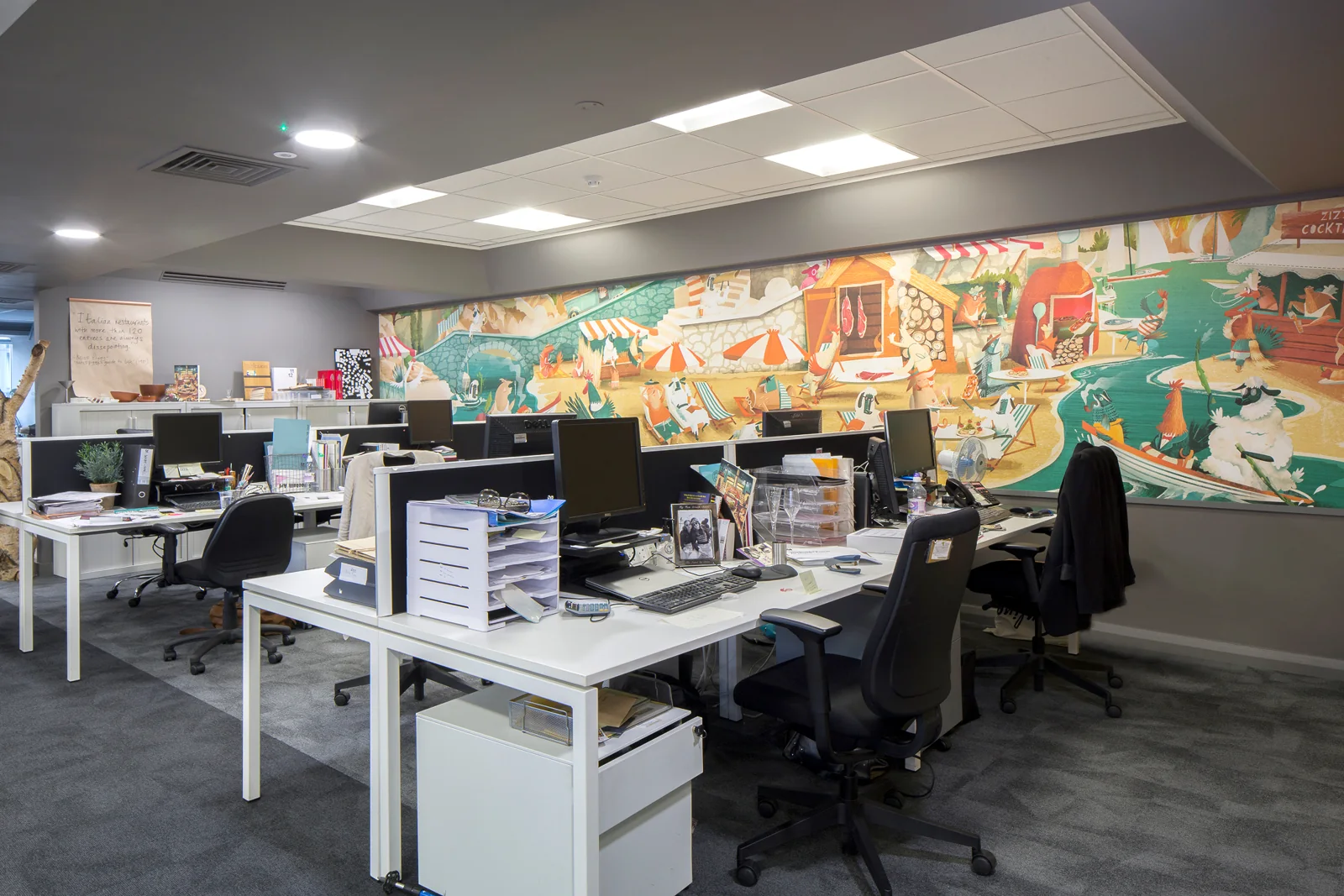
A corporate signage scheme becomes much easier to coordinate when everyone works from the same list. A sign schedule connects the design to the building: it records which signs are needed, where they go and what each one must communicate.
This guide explains what to include in a corporate signage specification so your brand, facilities and project teams can review a clear scope before production.
Start with locations and messages
Give every sign a unique reference and mark it on a current floor or site plan. Record the building, floor, room or decision point rather than relying on an informal description such as “near reception”.
Write the exact message beside each reference. Check room naming, department names, floor numbering and spelling with the people responsible for the building. Even a well-designed scheme will confuse visitors if the directory and door signs use different names.
Group signs into a small number of families
A family might cover building identification, reception logos, directional signs, directories or room identification. Define a common visual approach for each family, including typography, colour references and the relationship between symbols and text.
Use those rules to keep the scheme coherent, then review whether particular locations need a different size or layout. A long corridor and a reception desk are different reading situations; consistency should support legibility.
Record the specification that affects the quotation
For each item, include the quantity, proposed dimensions, material, finish, illumination and mounting approach. Note where details remain subject to survey or a sample approval. Clearly distinguish a confirmed requirement from an option being considered.
Also identify power, access and installation constraints. These details help the quotation describe the intended work and reduce uncertainty when production starts.
Agree how changing information will be handled
Some signs can remain fixed for years; other messages change whenever departments move or meeting rooms are renamed. Flag likely updates in the schedule and discuss replaceable panels, modular directories or new graphics where appropriate.
Keep a record of approved artwork and the final installed locations. This makes a future replacement easier to specify and helps prevent individual updates drifting away from the wider scheme.
Make approvals visible
Separate approval of the wording from approval of the appearance. A facilities manager may confirm room names while a brand team checks colour and logo use. Record who must approve each element and nominate one person to issue the consolidated decision.
Where finishes or illumination are important to the design, identify any samples required before manufacture. Set dates for those decisions within the project programme.
Allow for differences between sites
A shared specification can set the standard for several buildings, but a site survey should establish where adaptations are needed. Record an exception against the relevant sign reference, with the reason and approved alternative.
For the wider rollout process, read our guide to maintaining brand consistency across different buildings. The specification supplies the common rules; the site schedule records how they apply locally.
Use the schedule at handover
Check the installed scheme against the agreed references and artwork. Record any outstanding items and retain information needed for care, servicing or replacement. Consider statutory and safety signage with the appropriate advisers as a distinct part of the overall building requirements.
A useful schedule continues to serve the organisation after installation. Speak to Technical Signs about developing your corporate signage specification alongside your brand guidelines and building plans.