
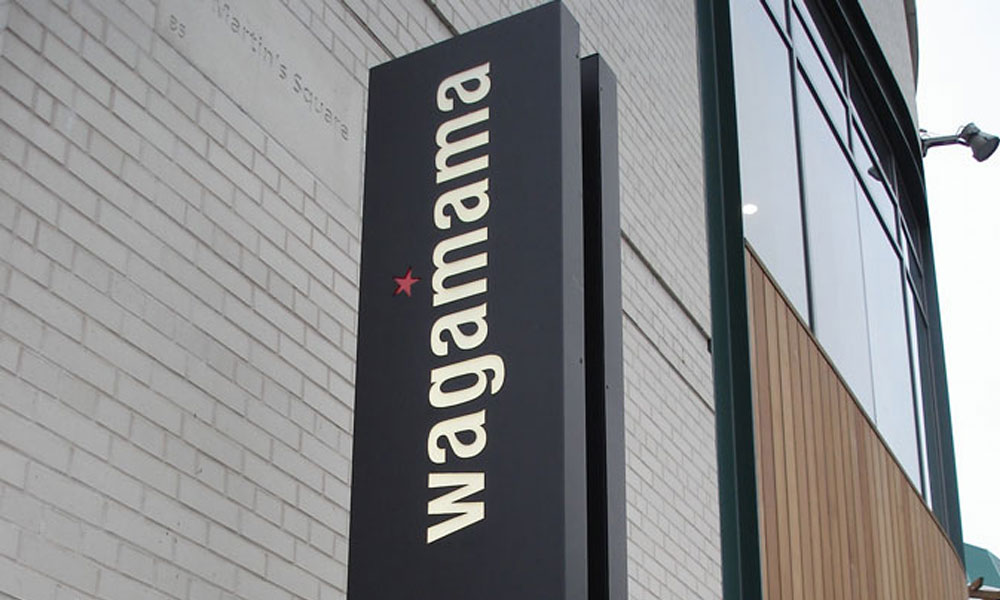
Retail parks present a unique signage challenge. Visitors are often arriving by car, scanning several units at once and making quick decisions about where to turn, park or enter. Unlike a high street, where pedestrians can stop and look at a shop fascia, retail park signage needs to communicate clearly from a greater distance and at a faster pace.
Totem signs are particularly effective in this environment. These tall, freestanding structures can identify the site, showcase multiple businesses and guide visitors towards the right destination. When carefully planned, they improve wayfinding while helping individual brands remain visible in a busy commercial setting.
Why Totem Signs Work So Well in Retail Parks
Totem signs are designed to be noticed from a distance. Their height and vertical format make them easier to see above parked cars, landscaping and surrounding street furniture. This is especially valuable at the entrance to a retail park, where drivers need to recognise the location before reaching the turning point.
A well-positioned totem can also serve as a visual landmark. Repeat visitors may not remember the exact road name, but they are likely to recognise a distinctive sign featuring familiar retailers and a clear site identity.
For businesses investing in corporate signs, this visibility can strengthen brand recall and make the overall development feel more organised and professionally managed.
Plan Around the Driver’s Line of Sight
The best location for a totem sign is not always the most obvious one. Before the design is finalised, the site should be assessed from the perspective of approaching drivers.
Consider the direction of traffic, the speed of passing vehicles, nearby junctions and any potential obstructions. Trees, lamp posts, parked vans, bus stops and other roadside signs can all affect visibility. A sign that looks prominent on a site plan may be partially hidden when viewed from a moving vehicle.
Sight-line planning should also account for the point at which a driver needs to act. A totem positioned directly beside an entrance may be too late to help someone prepare to turn safely. Where possible, signage should provide enough advance notice for visitors to understand where they are going without making sudden decisions.
Keep Information Clear at Speed
A retail park totem is not a directory board that drivers can study in detail. People may only have a few seconds to take in the information, so simplicity is essential.
The main site name or identity should be prominent. Tenant logos should be clearly separated, with enough space around each one to avoid a cluttered appearance. Small text, long straplines and unnecessary details can reduce readability.
Contrast is also important. Logos and lettering need to stand out against the background in daylight, poor weather and evening conditions. A signage company can help test the visual hierarchy and recommend the right balance between brand consistency and legibility.
Directional arrows should be used sparingly and placed where they can be understood quickly. If a site has several entrances or separate parking areas, additional wayfinding signs may be needed once visitors enter the development.
Design Multi-Tenant Layouts Carefully
Retail parks often contain a mixture of national brands, independent businesses, restaurants and service providers. Each tenant wants visibility, but the overall sign still needs to feel coherent.
A modular layout is often the most practical approach. Individual tenant panels can be arranged in a consistent format while allowing logos to retain their recognisable colours and proportions. This makes the sign easier to update when a unit changes hands or a new tenant joins the site.
The order of the panels should also be considered. Anchor tenants may require a more prominent position, while businesses with separate access routes may benefit from directional information. The design should avoid giving the impression that the site is overcrowded, even when several brands need to be included.
Effective corporate signs create a balance between individual tenant identity and the wider presentation of the retail park.
Use Illumination to Extend Visibility
Retail parks often remain active after dark, particularly during winter or when restaurants, gyms and supermarkets trade into the evening. Illuminated totem signs can help visitors find the site and navigate it more easily outside daylight hours.
Internal LED lighting can create an even, professional appearance across tenant panels. Individual illuminated sign boxes may also be used where the layout requires flexibility. In some cases, external illumination can suit the design or help highlight specific elements.
Brightness needs to be carefully controlled. The sign should be clear without creating glare for drivers or distracting from the road. Consistent illumination across all panels will usually look more polished than a mixture of overly bright and poorly lit sections.
Energy-efficient lighting and planned maintenance access should be considered from the start, especially for signs that operate for long periods each day.
Think About Scale, Structure and Exposure
Totem signs need to be large enough to remain visible without appearing out of proportion to the site. The correct size will depend on the surrounding buildings, approach roads, traffic speed and number of tenant panels required.
Because totems are freestanding structures, the installation needs careful planning. Wind exposure, ground conditions and the weight of the sign can all influence the foundation and structural requirements. A sign positioned in an open retail park car park may experience different conditions from one installed in a more sheltered location.
Durable materials and suitable finishes will help the sign retain its appearance when exposed to rain, dirt and traffic pollution. Easy access for cleaning, lighting repairs and panel updates should also be built into the design.
Support the Totem with Consistent Wayfinding
A totem sign is often the first part of the customer journey, but it should not be expected to do every job. Once visitors turn into the site, they may need additional signs to reach a particular unit, locate parking or understand the flow of traffic.
Directional signs, parking markers and entrance signs should use consistent colours, typography and symbols. This creates a joined-up system that feels intuitive and reduces confusion.
A signage company can review the full site rather than treating each sign as an isolated element. This helps ensure the signs work together from the first roadside view through to the final destination.
Turn a Busy Site into a Recognisable Destination
Well-designed totem signs do more than list the businesses in a retail park. They make the site easier to find, improve the visitor experience and reinforce the identity of the development.
By planning sight lines carefully, simplifying information and choosing suitable illumination, retail park operators can create corporate signs that work for drivers at speed and remain effective throughout the day. Combined with a clear internal wayfinding system, a prominent totem can help turn a collection of units into a recognisable and easy-to-navigate destination.


