
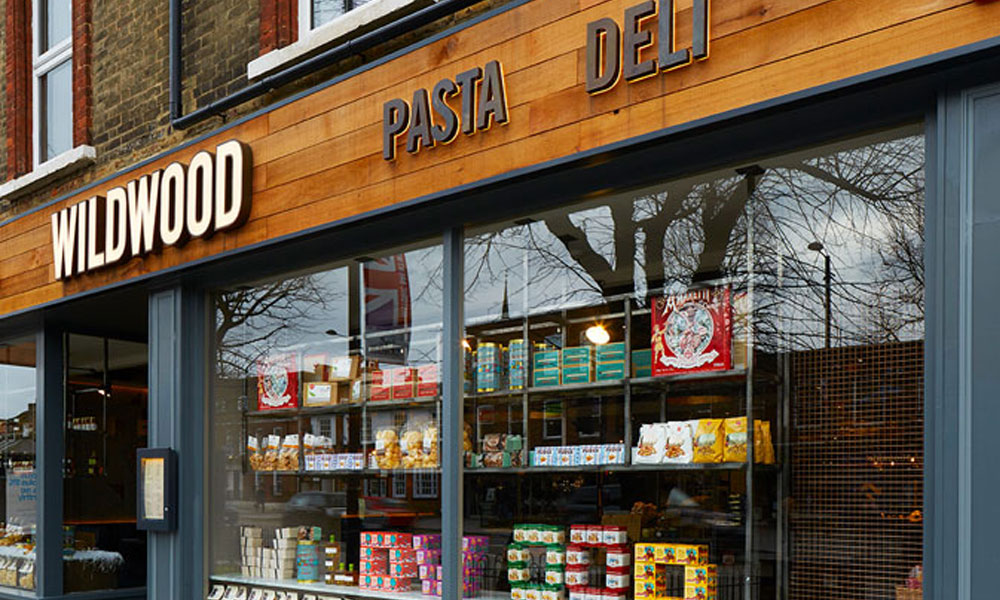
A shop fascia sign is one of the most important parts of any high street frontage. It tells passing customers who you are, what your business offers and whether your premises are worth a closer look. In a busy town centre, where people may only glance at your shop for a few seconds, good signage needs to work quickly.
The best shop fascias combine strong branding with practical design. They should be easy to read, appropriate for the building and durable enough for everyday exposure. The right materials, lighting and layout can make a noticeable difference to visibility and footfall.
Start with the Building, Not Just the Logo
A successful fascia sign should feel like part of the property rather than an afterthought. Before choosing colours or lettering, look at the width of the frontage, the available mounting space, architectural details and the likely viewing angles from the pavement and road.
A narrow shopfront may benefit from clean lettering and a simple colour palette. A larger frontage can support a more substantial fascia panel, built-up letters or carefully positioned lighting. The aim is not to fill every available space. It is to create a sign that is easy to notice and understand.
Choose Materials That Suit the Setting
The right material will depend on your brand, budget and location. Aluminium composite panels are popular because they provide a smooth, modern finish and can be produced in a wide range of colours. They work well with applied graphics or mounted lettering.
Powder-coated aluminium is another durable option, particularly when a more premium finish is required. Acrylic can be used for lettering, logos and illuminated elements, while timber can create a warmer, more traditional appearance for cafés, independent shops and characterful properties.
Built-up letters add depth and visual impact. A signage company should consider weather exposure, cleaning requirements and expected lifespan before recommending a solution.
Design for Passing Footfall
A high street fascia is not a brochure. Most people will not stop to read a long message above the door. The business name, logo and essential brand identity should be instantly recognisable.
Readability matters more than novelty. Thin fonts, low-contrast colour combinations and overly decorative lettering can be difficult to read at a glance.
Scale also matters. Lettering that looks large on a screen may appear much smaller once it is installed above street level. A professional signage company can help assess proportions and produce visuals so you can understand how the finished frontage will look in context.
Use Colour and Contrast Carefully
Colour helps customers recognise a brand, but it needs to be used with restraint. Strong contrast between the background and lettering will usually improve visibility. Dark lettering on a light fascia, or light lettering on a darker panel, is often easier to read than colours with similar tones.
Window vinyl, projecting signs and opening-hours information can support the main frontage without competing with it.
For multi-site businesses, consistency is important. However, the design may still need to be adapted to the proportions of each property or local planning requirements.
Consider Lighting for Evening Visibility
Lighting can help your business remain visible after dark, especially during winter or in areas with evening footfall. There are several ways to illuminate shop fascias.
Built-up letters with internal LED lighting can produce a crisp, modern effect. Face-lit lettering creates a bright, direct appearance, while halo-lit letters cast a softer glow onto the surface behind them. A trough light positioned above the fascia can provide a more traditional solution, and an illuminated lightbox may suit businesses that need a bold, highly visible sign.
The right option depends on the setting. A restaurant or bar may benefit from atmospheric lighting, while a convenience retailer may prioritise clarity and brightness. Energy-efficient LED options can also help control running costs when signs are illuminated for long periods.
Add a Projecting Sign Where Appropriate
A fascia sign is easiest to see when someone is standing opposite the premises. On a busy pavement, customers often approach from the side.
Projecting signs work particularly well in town centres with continuous rows of shops. They can reinforce your logo, draw attention to a recessed doorway or help your business stand out when neighbouring shop fascias are visually similar.
Plan for Maintenance from the Beginning
Shop fascias are exposed to rain, traffic pollution and general wear. Smooth panels and accessible lettering are usually easier to clean. Illuminated signs should also be designed so electrical components can be serviced when required.
Regular cleaning and occasional inspections will help preserve the appearance of the sign and identify maintenance needs before they become more expensive problems.
Stay Compliant in Busy Town Centres
Before installing a new fascia sign, check whether advertisement consent or other approvals may be required. Requirements can depend on the size, lighting, position and design of the sign, as well as the location and status of the building.
Extra care may be needed for listed buildings, conservation areas and locations with specific local restrictions. Illuminated signs and projecting signs may also need closer consideration.
A professional signage company can help develop a design that supports your branding while taking local requirements into account. It is better to address these issues before manufacture and installation rather than alter the sign later.
Make Your Frontage Work Harder
The best shop fascias do more than display a name. They make a business easier to find, strengthen brand recognition and create confidence before a customer walks through the door.
By choosing suitable materials, prioritising readability and selecting lighting that suits the setting, you can create a frontage that works throughout the day and into the evening. A carefully designed fascia sign can help your business stand out for the right reasons while remaining practical, durable and appropriate for its high street location.


