

A sign begins representing a business as soon as it is installed, but its performance depends on what happens afterwards. Dirt, weather, UV exposure, vibration and everyday contact can gradually affect its appearance and structure. Illuminated signs also contain electrical components that will eventually require attention.
Waiting until a sign stops working or becomes visibly unsafe often makes repairs more disruptive and expensive. Regular cleaning and inspection can identify developing problems while they are still relatively simple to correct.
The ideal schedule depends on the sign type, location, materials and level of exposure. A signage company can create a programme for a particular site or property portfolio, but the following timetable provides a practical starting point.
Why Maintenance Should Be Planned
Signage is easy to overlook because it becomes part of the building. Employees who see it every day may not notice gradual fading, dirt or uneven illumination.
Customers do notice. A stained fascia, peeling vinyl or flickering letter can suggest that the premises are neglected. This is particularly damaging for hospitality, retail and other businesses where appearance influences whether someone chooses to enter.
Maintenance is also about safety and longevity. Loose fixings, water ingress and damaged electrical components should be addressed before they affect other parts of the sign or mounting surface.
Keep a register showing the type, location, installation date and specification of every sign. Add warranties, cleaning instructions and previous repair records. This makes maintenance easier to schedule and helps contractors identify the correct materials and components.
External Signs: Inspect Every Three to Six Months
Exterior signs face the greatest range of environmental conditions. Rain, wind, pollution, bird fouling and direct sunlight can all affect their appearance.
A visual inspection every three to six months is sensible for many external fascias, projecting signs, totems and lettering systems. More frequent checks may be necessary in coastal, exposed, heavily polluted or high-traffic locations.
Look for:
- Loose, missing or visibly corroded fixings
- Cracks, dents or warped panels
- Peeling paint, lifting vinyl or fading graphics
- Rust staining or deterioration around joints
- Water marks or moisture inside letter faces
- Movement during windy conditions
- Vegetation obscuring the sign
- Damage caused by vehicles or building work
High-level components should be inspected by appropriately trained people using suitable access equipment. Staff can report visible concerns from ground level, but they should not climb or attempt repairs without the correct equipment and competence.
After severe weather, construction work or accidental impact, arrange an additional inspection rather than waiting for the next scheduled visit.
Cleaning External Signage
Many external signs benefit from cleaning at least twice a year. Busy roadside sites, city centres and locations beneath trees may require quarterly attention.
Use methods suitable for the material and finish. Abrasive pads, harsh chemicals and high-pressure washing can damage paint, printed graphics, acrylic faces and protective coatings. Follow the manufacturer’s guidance and test any cleaning product on an inconspicuous area.
Dirt should not be allowed to build up around letter returns, panel joints and drainage points. Blockages can trap water and encourage staining or component failure.
Metal finishes may require specialist care. Brushed surfaces should be cleaned in the direction of the grain, while polished metal needs soft materials to avoid visible scratching. Living finishes designed to develop a patina should not be treated as though they are conventional painted surfaces.
A signage company can advise whether professional cleaning is needed, particularly for high-level or illuminated installations.
Internal Signs: Review Every Six Months
Internal signage is protected from weather, but it still experiences fingerprints, dust, cleaning chemicals, knocks and repeated handling.
Reception signs, door plaques, directories and wayfinding panels should be checked approximately every six months. High-contact signs in hospitals, schools, hotels and busy offices may need more frequent cleaning and inspection.
Look for chipped edges, loose stand-offs, scratched surfaces and lifting vinyl. Check that directional information remains accurate after departments, room uses or access routes have changed.
An undamaged sign can still require maintenance if its content is out of date. Temporary labels placed over permanent room names quickly make a building feel poorly managed. Modular inserts should be replaced using the correct typeface, colour and material rather than improvised locally.
Internal directories also need reviewing whenever a tenant moves, a department is renamed or a refurbishment alters the customer route.
Cleaning Internal Signage
Dust can make dimensional lettering and reception logos look flat, particularly where directional lighting highlights the surface. Add signs to the normal cleaning plan, but provide instructions for delicate finishes.
Acrylic can scratch if cleaned with rough cloths, while certain solvents may cloud or weaken the material. Painted and printed surfaces can be damaged by aggressive antibacterial products.
Clean tactile and braille signs carefully so that dirt does not accumulate around raised details. Digital directories and screens should be maintained using the equipment manufacturer’s recommended method.
Reception signs and door plates may need weekly surface cleaning in busy premises, even though their formal condition inspection takes place less frequently.
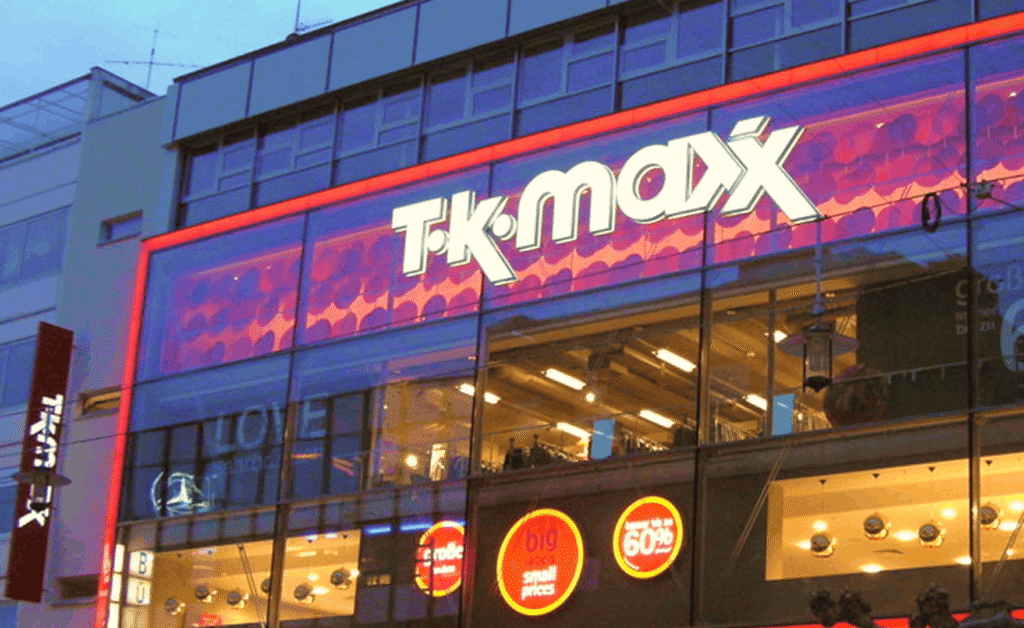
Illuminated Signs: Check Monthly from Ground Level
Illuminated signage gives useful early warnings when something is wrong. A brief monthly observation after dark can reveal changes before the sign fails completely.
Check for:
- Individual LEDs or sections that no longer illuminate
- Flickering, pulsing or intermittent operation
- Uneven brightness across letter faces
- Changes in light colour
- Dark edges or visible hot spots
- Incorrect timer operation
- Buzzing sounds or unusual smells
- Water or condensation inside illuminated sections
Electrical faults should be investigated by a competent professional. Switching a failed sign repeatedly or allowing exposed components to remain energised may create further damage.
In addition to monthly observations, arrange a more detailed professional inspection at intervals recommended for the particular installation. This may include checking electrical connections, power supplies, cable condition, ventilation and weather seals.
Timers should be reviewed seasonally so that operating hours follow changes in daylight. This avoids unnecessary energy use while ensuring the signage is lit when customers need it.
Vinyl Graphics and Window Films: Inspect Quarterly
Window vinyl, wall graphics and applied lettering should be checked every three months, particularly at edges and corners.
Small areas of lifting may be repairable if addressed early. Once dirt or water reaches the adhesive, replacement is more likely. Bubbling, shrinking and cracking can indicate installation problems, unsuitable materials or prolonged environmental exposure.
Window cleaners should know which graphics are installed and which tools or chemicals must be avoided. Scrapers can easily catch an edge, while repeated contact with strong products may affect printed colours.
Faded campaign graphics should be removed promptly when they are no longer accurate. Outdated temporary signage can weaken the appearance of otherwise well-maintained premises.
Freestanding and Projecting Signs Need Extra Attention
Totems, post-mounted signs and projecting signs are exposed to wind and may be vulnerable to vehicle impact. Inspect them after storms and whenever nearby groundworks or deliveries could have affected their foundations.
Warning signs include leaning posts, cracked bases, movement at brackets and rust marks around fixings. Any unexplained change in alignment should be assessed promptly.
Do not attempt to push a freestanding sign back into position or tighten high-level brackets without professional assessment. Visible movement may indicate damage below ground or behind the mounting surface.
Know When Repair Becomes Replacement
Repeated faults can indicate that continued repair is no longer economical. Obsolete lighting components, heavily faded faces and widespread corrosion may justify replacing the sign or refurbishing it comprehensively.
Consider whether the sign still reflects the current brand, complies with present requirements and performs effectively from normal viewing positions. A technically repairable sign may still be poor value if its information or design is outdated.
Before replacing one element in a multi-site estate, check whether the new materials and illumination will match neighbouring signs. Samples can prevent obvious differences in colour and finish.
Turn Warning Signs into Early Action
Maintenance works best when responsibility is clear. Staff should know how to report damage, while one person or team keeps the signage register and arranges professional visits.
A practical schedule combines monthly observations of illuminated signs, quarterly checks for applied graphics, six-monthly cleaning and inspection of many exterior signs, and twice-yearly reviews of internal systems. The exact frequency should then be adjusted for the site and manufacturer’s recommendations.
Early action protects appearance, safety and investment. With planned cleaning and support from an experienced signage company, signs can continue presenting the business clearly instead of becoming costly problems hiding in plain sight.