Choosing illuminated signage is not simply a question of picking the brightest option. The right sign should suit your brand, complement the space and continue to look good in daily use. For restaurants, bars, cafés, hotels and retailers, lighting can influence the atmosphere as much as the furniture or window display.
LED signs, traditional neon signs and faux neon signs each offer a different visual effect. They also vary in cost, energy use, maintenance requirements and design flexibility. Understanding those differences can help you choose signage that creates the right impression without unnecessary running costs.
What Is the Difference Between LED, Neon and Faux Neon?
Traditional neon signs are made using hand-shaped glass tubes filled with gas. When an electrical current passes through the tube, it produces the distinctive glow associated with shopfronts, cocktail bars and retro interiors.
LED signage is a broader category. LEDs can be used inside built-up letters, lightboxes, projecting signs and illuminated fascia signs. The light can face forwards, shine backwards to create a halo effect or illuminate a larger sign panel.
Faux neon signs use LED technology to imitate traditional neon. Flexible illuminated tubing can be shaped into lettering, logos and decorative designs. This makes faux neon a popular option for businesses that want the neon look with some of the practical advantages of LED lighting.
The Visual Appeal of Traditional Neon Signs
There is a reason why genuine neon remains desirable. Traditional neon has a characterful, handcrafted appearance. The glow is soft but vibrant, giving it a warmth and depth that works particularly well in atmospheric interiors.
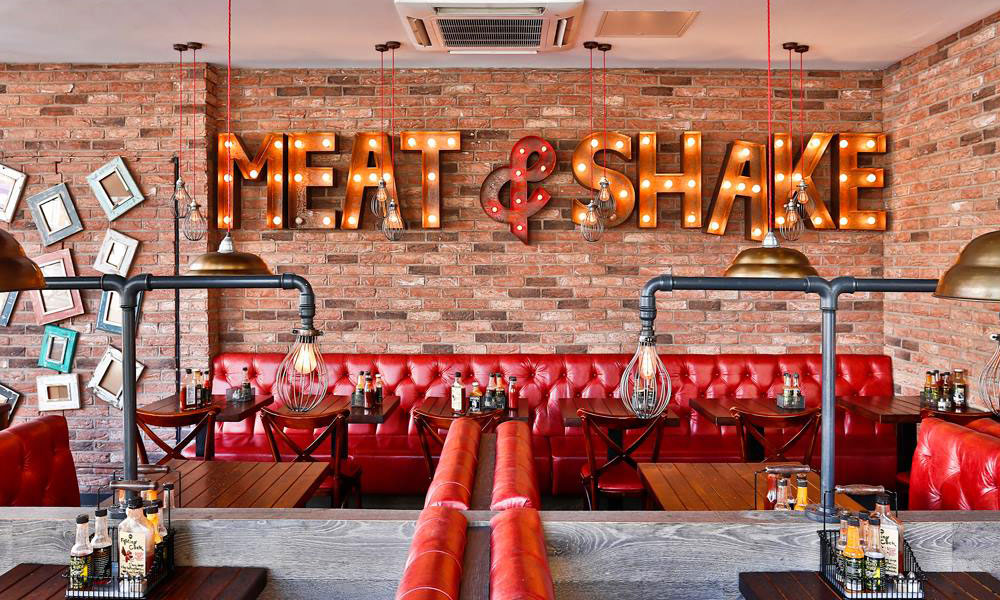
For hospitality venues, neon signs can become part of the experience. A sign behind a bar, in a restaurant seating area or near an entrance can create a focal point that customers remember. Neon is especially effective for brands with a vintage, creative or nightlife-inspired identity.
A memorable neon phrase, logo or illustration can help define a venue and encourage customers to take photographs. However, glass tubing is more fragile than many LED-based alternatives, so the installation location needs careful consideration.
Where LED Signage Works Best
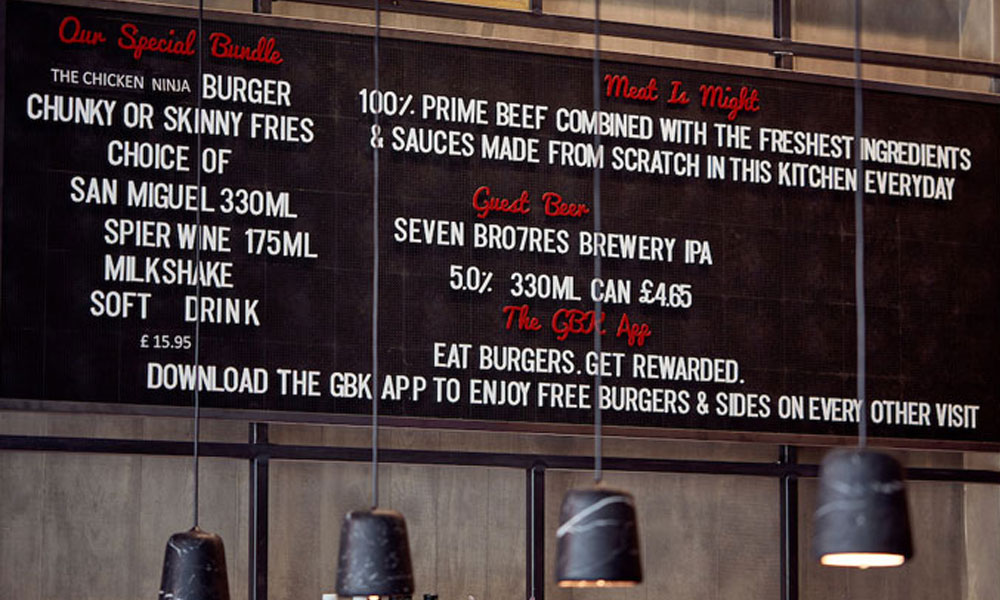
LED signage is the most versatile option for many retail and hospitality projects. It can be used to create illuminated shop fascias, reception signs, menu boards, lightboxes and external signage that remains visible after dark.
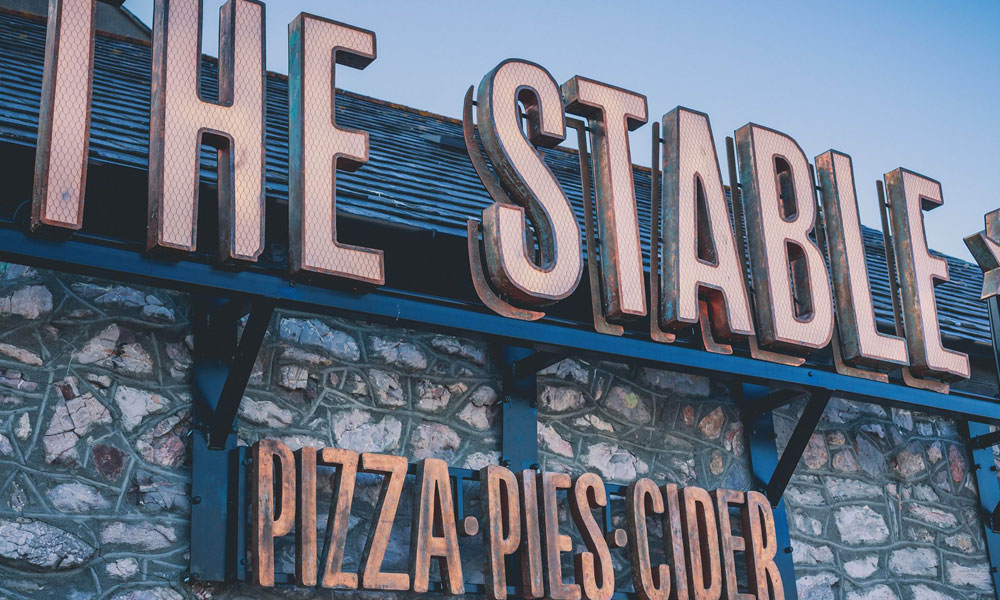
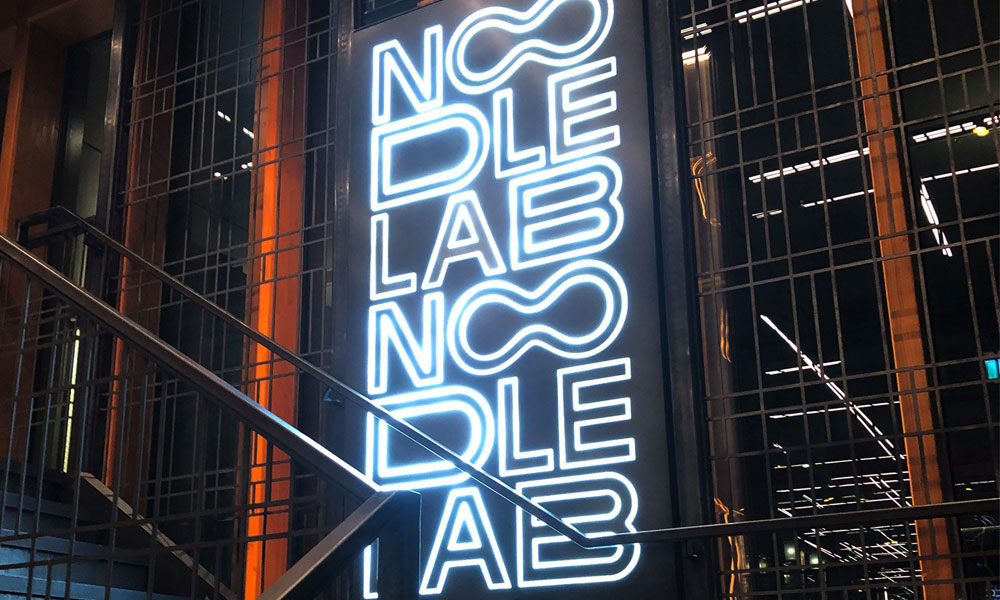
The visual effect depends on the construction. Face-lit LED letters create a bold, clear appearance that is ideal for shopfronts and roadside locations. Halo-lit letters produce a more understated glow around the edge of the logo or lettering, making them a strong choice for hotel receptions, premium retail spaces and restaurant interiors.
LED lighting is generally energy-efficient and suited to signs that remain illuminated for long periods. It also offers considerable control over colour, brightness and programming. For practical, reliable signage with a polished finish, LED is often the most adaptable choice.
Why Faux Neon Signs Have Become So Popular
Faux neon signs sit between traditional neon and conventional LED signage. They deliver the recognisable look of neon while using lower-power LED lighting. This can make them more affordable to run and easier to incorporate into complex shapes.
For cafés, bars, salons, gyms and fashion retailers, faux neon signs can add personality without dominating the design scheme. They work well for slogans, social-media-friendly feature walls, logos and internal wayfinding messages.
One of the main benefits is flexibility. A faux neon design can often recreate detailed lettering or branding that would be more difficult to produce using glass tubes. It is also a practical choice for busy interiors where a more robust lighting solution is preferable.
Although a well-designed faux neon sign can look extremely effective, it does not have the same handcrafted quality as real neon. The decision often comes down to whether authenticity or day-to-day practicality matters most.
Comparing Maintenance Requirements
Maintenance should be considered before installation, particularly for signs positioned high above a shopfront or in a busy venue.
Traditional neon signs may require specialist attention if a glass tube or component needs replacing. The glass construction means they should be installed where they are less likely to be knocked or exposed to accidental impact.
LED signs are typically a practical low-maintenance choice. Individual components may eventually need servicing, but the technology is well suited to regular commercial use. Faux neon signs also benefit from LED-based construction and can be sensible for interiors where durability and ease of care are priorities.
The quality of the materials, electrical components and installation will always affect long-term performance. Investing in a professionally designed sign can help reduce avoidable issues.
Which Option Uses the Least Energy?
For brands concerned about running costs, LED-based options are usually the most attractive. Both standard LED signs and faux neon signs use efficient lighting technology, making them suitable for businesses that illuminate signage throughout the evening or overnight.
Traditional neon may still be right when its unique visual impact is central to the concept. However, businesses comparing energy use, maintenance and installation costs will often find that LED or faux neon provides a more practical balance.
Timers, sensible brightness settings and carefully planned illumination can also help reduce unnecessary energy use while keeping your branding visible at the times that matter most.
Choosing the Right Glow for Your Space
There is no single best lighting style for every business. Traditional neon signs are ideal when authenticity, atmosphere and handcrafted character are the priority. LED signs are an excellent all-round choice for visible, dependable and versatile illuminated branding. Faux neon signs are particularly effective when you want the appearance of neon with greater flexibility and lower day-to-day running costs.
The strongest results come from matching the sign to the space. A bold exterior fascia, a subtle reception logo and an Instagram-friendly feature wall all serve different purposes. By considering how the sign will be viewed, how often it will be illuminated and how it supports your wider brand identity, you can invest in signage that looks impressive and works hard for your business.