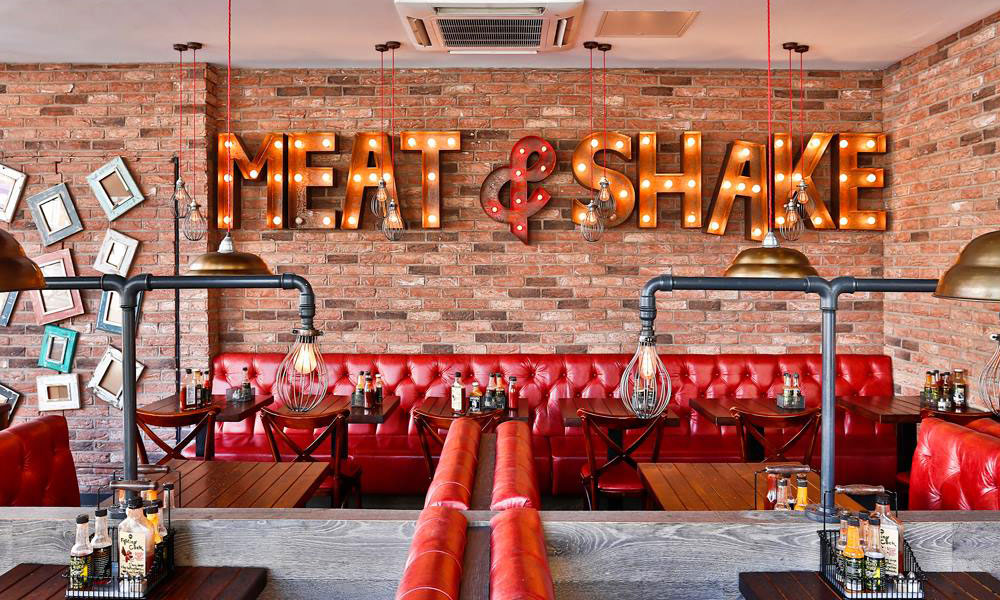
Bulb letters and marquee lights bring instant character to a space. Their exposed bulbs, bold shapes and theatrical appearance make them particularly effective for hospitality venues, entertainment businesses, events and branded interiors. They can act as illuminated signs, decorative features or memorable focal points, helping customers recognise a business and connect with its personality.
However, these installations need more thought than simply choosing a word and switching on the lights. Placement, brightness, electrical safety and maintenance all affect how successful the finished result will be. When bulb letters are properly designed and installed, they can remain sharp, safe and reliable for years. When these details are overlooked, they may become difficult to read, expensive to maintain or unsuitable for the surrounding environment.
Where Bulb Letters Make the Strongest Impact
Bulb letters work best in locations where their size and style complement the available space. They are naturally eye-catching, so they should be positioned where they can become a deliberate feature rather than another competing element.
Reception areas are a popular choice. A company name or short slogan displayed behind a reception desk creates an immediate branded welcome. The lighting also helps define the area, particularly in larger venues where visitors need to identify the main point of contact quickly.
Restaurants, bars and cafés can use marquee-style lettering behind counters, above seating areas or on feature walls. A carefully chosen word, venue name or logo can contribute to the atmosphere while providing customers with an appealing background for photographs. This can encourage social sharing, giving the business signs additional promotional value beyond the physical premises.
Entertainment venues, theatres, cinemas, bowling centres and music spaces are especially well suited to the nostalgic quality of exposed bulbs. Here, marquee lights feel connected to the experience rather than added purely for decoration. They can be used above entrances, beside stages or as part of a ticketing area.
Retail businesses can also use bulb letters to highlight particular departments, product collections or seasonal displays. However, they are generally most effective when used selectively. Too many illuminated features can make a shop feel visually busy and reduce the impact of each individual sign.
Choosing the Right Viewing Distance
The size and spacing of bulb letters should be determined by where customers will view them. A sign intended to be seen from across a large room will need larger characters and clearer spacing than one positioned behind a small reception desk.
From a distance, closely spaced bulbs may visually merge, making letter shapes less distinct. If the letters are too small, the sign may look like a collection of bright dots rather than readable wording. Larger letterforms with carefully planned bulb spacing help preserve clarity.
Viewing angles also matter. Bulb letters mounted too high may be difficult to read from nearby, while letters placed too low could be blocked by furniture, customers or displays. Before installation, it is useful to consider the likely approach route and test the design from several realistic positions.
External business signs require even more attention to scale. A sign that appears large in a workshop may seem relatively small when mounted on a wide building elevation. Surrounding street lighting, neighbouring signage and passing traffic can all influence visibility.
Getting the Brightness Right
Brightness is one of the most important considerations for any illuminated sign. Bulb letters need to attract attention without creating glare or discomfort.
In a softly lit restaurant or cocktail bar, excessively bright bulbs can disrupt the atmosphere and make the sign unpleasant to look at. Lower-output bulbs or dimmable lighting may be more suitable, allowing the display to provide a warm glow rather than dominate the room.
Brighter installations may be appropriate in lively entertainment venues or spaces with high ambient light levels. Even then, the objective should be balanced visibility. A sign does not necessarily become more effective simply because it is brighter.
Colour temperature also affects the appearance. Warm-white bulbs create a traditional, welcoming and slightly nostalgic effect. They work particularly well with timber, brass, dark paint colours and vintage-inspired interiors. Neutral or cooler white bulbs can feel more contemporary but may appear harsher in relaxed hospitality environments.
Where possible, brightness should be assessed in the actual location. Natural daylight, overhead lighting, reflective surfaces and nearby windows can all change how the installation appears. Dimming controls can provide valuable flexibility as lighting conditions change from daytime to evening.
Interior and Exterior Placement Considerations
Interior bulb letters are generally easier to manage because they are protected from rain, wind and temperature extremes. Even so, they should be kept away from areas where they could be knocked, splashed or exposed to excessive heat.
External installations require components that are suitable for outdoor use. The sign casing, bulbs, fittings and electrical connections must all be designed to withstand the expected conditions. A decorative sign intended only for indoor use should never be placed outside without appropriate adaptation.
Sheltered exterior locations, such as beneath canopies or recessed entrances, can provide some protection. However, moisture and changing temperatures still need to be considered. Exterior illuminated signs should be professionally specified so that their materials and electrical rating suit the location.
The mounting surface must also be capable of supporting the sign securely. Large metal letters can be heavier than they appear, particularly once the bulbs, wiring and backing structure are included. Fixing methods should account for the wall construction and any wind exposure.
Keeping Cabling Safe and Discreet
Visible wiring can quickly undermine the polished appearance of bulb letters. More importantly, poorly planned cabling can create safety risks and make future maintenance difficult.
Cable routes should ideally be considered before the sign is manufactured or installed. Where possible, wiring can be concealed behind wall panels, within ceiling voids or through carefully positioned access points. If surface-mounted cabling is necessary, suitable containment can keep it neat and protected.
Cables should not trail across walkways, pass through areas where they may be crushed or hang loosely behind furniture. Connections must remain inaccessible to customers while still being reachable by authorised personnel for servicing.
For permanent business signs, electrical work should be completed by a suitably qualified professional. This helps ensure that power supplies, isolators and connections are correctly specified. It also reduces the risk of overloading circuits or relying on temporary extension leads as a long-term solution.
A clearly located isolation switch is useful for maintenance. Staff should be able to switch off the installation safely without disconnecting unrelated equipment or searching for an inaccessible plug.
Creating a Realistic Maintenance Routine
Bulb letters are designed to attract attention, which means faults are immediately noticeable. One failed bulb can make a letter appear incomplete, while several failures may make the entire word difficult to read.
A simple visual check should therefore form part of the venue’s regular opening or closing routine. Staff can look for failed bulbs, flickering, inconsistent brightness, loose fittings or visible damage. Problems should be recorded and addressed before they affect the overall presentation.
Cleaning is also important. Dust and grease can gather on exposed bulbs and letter surfaces, gradually reducing brightness. This is particularly common in bars, restaurants and food service environments. The sign should always be switched off and allowed to cool before cleaning.
The correct cleaning method will depend on the materials used. A soft, dry cloth may be sufficient for regular dusting, while specialist finishes may require specific products. Harsh chemicals and excess moisture should be avoided unless approved by the sign manufacturer.
Planning for Replacement Parts and Servicing
Replacement bulbs should match the original colour temperature, output and shape. Mixing different bulb types can create a patchy appearance, even if each individual bulb works correctly.
Keeping a small supply of approved replacement bulbs on site can reduce downtime. For more complex installations, it may be better to arrange scheduled servicing with the sign supplier. This allows electrical components, fixings and cabling to be inspected as well as the visible bulbs.
Access should be considered during the design stage. A sign positioned several metres above the floor may require specialist access equipment every time a bulb fails. In these cases, longer-life LED bulbs and grouped maintenance visits can make upkeep more practical.
LED bulbs are often chosen because they use less energy and generally last longer than traditional incandescent options. They also produce less heat, which can be beneficial in enclosed interiors. However, quality varies, so reliable components should be selected to achieve consistent colour and brightness.
Keeping Marquee Lighting Looking Its Best
Bulb letters and marquee lights are most successful when they feel integrated into the wider brand environment. Their location should be intentional, their brightness appropriate and their cabling professionally managed.
A realistic upkeep plan is equally important. Regular visual checks, careful cleaning and prompt bulb replacement prevent a striking installation from gradually looking neglected. With suitable materials, safe electrical work and access for servicing, marquee-style illuminated signs can offer dependable performance as well as distinctive visual appeal.
For businesses seeking memorable business signs with warmth, personality and impact, bulb letters can be an excellent choice. The key is to treat them as a long-term branded installation rather than a temporary decoration.