Signage can be one of the most visible investments a business makes. It identifies a location, communicates the brand and helps customers move confidently through a space. However, comparing quotations is not always straightforward because the finished sign represents far more than the materials visible on the wall.
Design, surveys, engineering, fabrication, lighting, access and installation can all affect the final cost. Maintenance and energy use also determine what the sign costs over its full working life. Understanding these elements helps businesses set a realistic budget, compare proposals fairly and avoid savings that create larger expenses later.
Design Is More Than Drawing a Logo
A successful sign must work for its location as well as reflect the brand. The design process considers viewing distance, sightlines, scale, contrast, illumination and the surfaces available for fixing. It may also include technical drawings, visualisations and revisions before production begins.
Reducing the design budget can be tempting, particularly when brand artwork already exists. However, a logo designed for a website or business card may not translate directly into a fascia, totem or set of built-up letters.
Professional design resolves these issues before materials are ordered. It can identify poor visibility, unsuitable proportions and impractical construction details at a stage when changes are relatively inexpensive. For corporate signage across several locations, careful design also creates standards that can be repeated consistently while accommodating differences between sites.
Site Surveys Prevent Expensive Surprises
A survey allows the signage company to assess dimensions, fixing surfaces, electrical supplies, access restrictions and potential hazards. It may also establish whether existing signs must be removed or surfaces repaired.
Skipping a survey can produce false savings. Drawings, photographs and measurements supplied remotely may omit important information, such as concealed services, weak substrates or restricted vehicle access. Discovering these problems on installation day can result in delays, additional labour and the need to remake components.
The more complex the project, the more valuable a detailed survey becomes. Large illuminated signs, high-level installations and multi-site programmes all benefit from accurate information gathered at the beginning.
Materials Affect Appearance and Lifespan
Material selection is one of the most obvious influences on cost. Aluminium, stainless steel, acrylic, timber, vinyl and composite panels each offer different characteristics. The right choice depends on location, desired finish, expected lifespan and exposure to weather or physical contact.
Premium materials are not automatically necessary for every application. Temporary event signs and short-term hoarding do not need the same specification as permanent exterior corporate signage. Equally, a low-cost material may be a poor choice for a sign exposed to strong sunlight, rain, coastal air or frequent handling.
Thickness, coatings and finishes also matter. Properly specified metals, UV-resistant graphics and suitable protective coatings can retain their appearance for longer. Spending more at this stage may reduce fading, corrosion, warping and premature replacement.
A good signage company should explain why a particular material is recommended rather than simply presenting a choice between “cheap” and “premium”.
Fabrication Reflects the Complexity of the Sign
Two signs of similar size can have very different production costs. A flat printed panel may require relatively little fabrication, while built-up letters, specialist metal finishes or complex illuminated features involve additional processes and skilled labour.
Curves, layered components, returns, welded structures and individual fixings all add manufacturing time. Bespoke colour matching, samples and prototypes may also form part of the budget. Where signs must fit unusual architecture or integrate with joinery and lighting, close coordination is required between designers, fabricators and contractors.
Quality control has a value too. Accurate construction improves alignment, finish and durability, particularly where multiple letters or panels must appear as one coherent installation. Poor fabrication can be immediately noticeable, weakening the impression created by an otherwise strong brand.
Illumination Adds Components and Running Costs
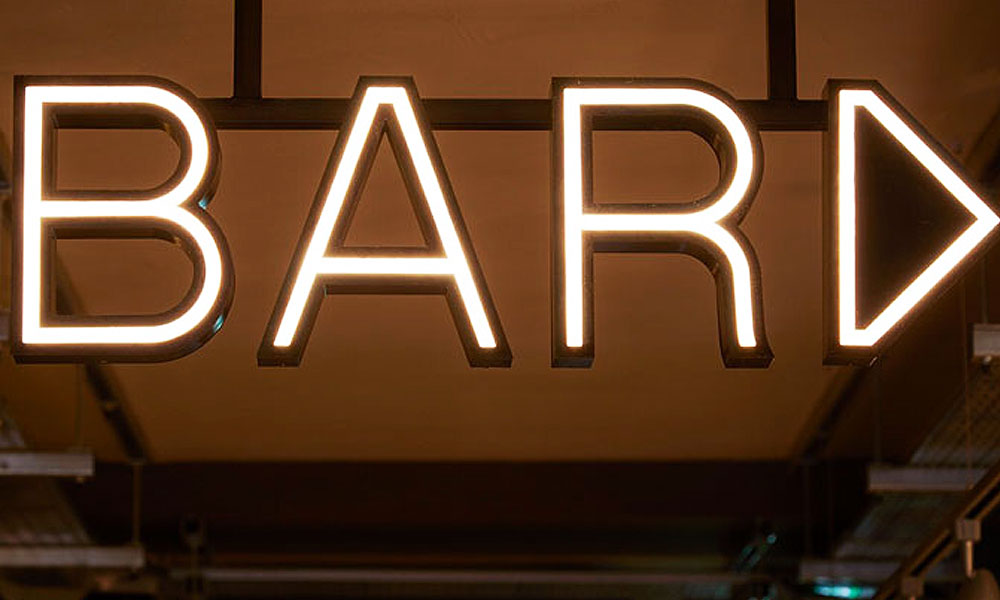
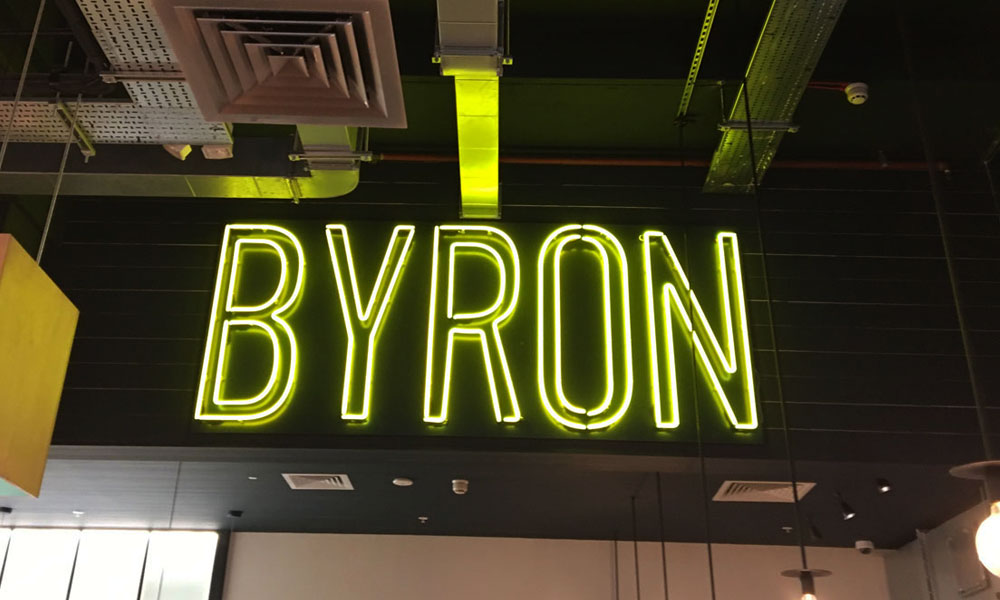
Illuminated signage is more visible in the evening and can make a building easier to identify, but it requires additional design, manufacture and electrical work. The budget may include LED signage modules, transformers, wiring, access panels and controls, as well as testing and installation by appropriately qualified professionals.
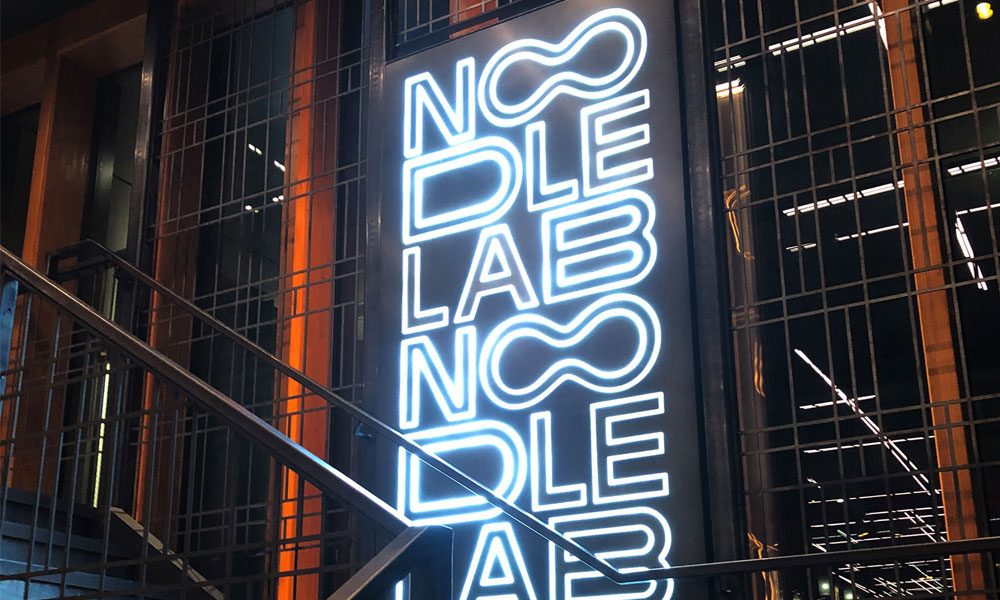
The type of lighting changes both the appearance and the cost. Face illumination produces a different result from halo lighting, trough lighting or an externally lit fascia. Brightness, colour temperature and consistency must be considered alongside energy consumption.
Low-cost lighting components can be a false economy if they produce uneven illumination or fail prematurely. Replacing a module may be inexpensive at workshop level but costly once access equipment and labour are added. Reliable, efficient components and accessible servicing points are usually worth prioritising.
Installation Is a Skilled Part of the Project
Installation costs depend on the sign’s size, weight, height, location and fixing method. Labour is only one part of the calculation. Installers may require specialist fixings, electrical support, traffic management, permits or work outside normal opening hours.
The structure behind the sign must be capable of supporting it safely. Exterior signs may also need to withstand wind loading and difficult weather conditions. These requirements become especially important for projecting signs, large fascias, roof-level lettering and freestanding totems.
Choosing an inexperienced installer because their price is lower can put the sign, building and public at risk. Correct installation protects the investment and ensures the finished result matches the approved design.
Access Equipment Can Change the Quote Significantly
A sign positioned above a shopfront may require a tower, scaffold or mobile elevating work platform. The cost varies according to working height, ground conditions, access hours and how long the equipment is needed.
City-centre locations can be particularly challenging. Restricted parking, narrow pavements and busy roads may require permits or temporary traffic and pedestrian controls. Shopping centres, airports and managed buildings can impose specific delivery times, inductions and working procedures.
These costs are easy to overlook when setting an initial budget, yet they are essential to completing the work safely. Coordinating several tasks during one access period can save money. For example, removal, installation, cleaning and electrical checks may be planned together rather than requiring repeated visits.
Maintenance Belongs in the Original Budget
Every sign needs some level of care. Dirt, weather, vegetation and general wear can reduce visibility and make even high-quality signage appear neglected. Illuminated signs also require periodic inspection and occasional component replacement.
Maintenance should be considered during design. Accessible lighting, replaceable panels and suitable finishes can make future work quicker and less costly. A maintenance programme may include cleaning, electrical testing, checking fixings and repairing damaged graphics before deterioration spreads.
Businesses with multiple locations can benefit from coordinated inspections, helping their corporate signage remain consistent across the estate. Planned maintenance is generally more efficient than waiting until a sign fails or becomes visibly damaged.
Compare Whole-Life Value, Not Just the Lowest Price
A cheaper quotation is not necessarily poor value, but it must cover the same specification and scope. Check whether design, surveys, removal, access equipment, electrical work, installation and maintenance are included. Also compare materials, finishes, lighting components, warranties and expected lifespan.
False economies often appear when a saving transfers cost to a later stage. Thin materials may need early replacement, inaccessible lighting can make simple repairs expensive and an inadequate survey can lead to installation delays.
The areas worth protecting are those that influence safety, visibility, brand consistency and long-term performance. Investing in sound design, appropriate materials, skilled fabrication and professional installation usually produces better value than repeatedly repairing or replacing an unsuitable sign.
An experienced signage company can help balance ambition with budget, recommending where a simpler solution will work and where reducing the specification may prove costly. The aim is not to spend more everywhere. It is to spend intelligently, creating signage that looks right, performs reliably and continues representing the business well for years.