
When people walk along a busy high street, they do not always see the businesses directly beside them. A traditional fascia may look impressive from across the road, but it can become difficult to spot when customers are approaching from the side. On narrow pavements and streets lined with neighbouring shops, cafés and restaurants, projection signs can provide the extra visibility a business needs.
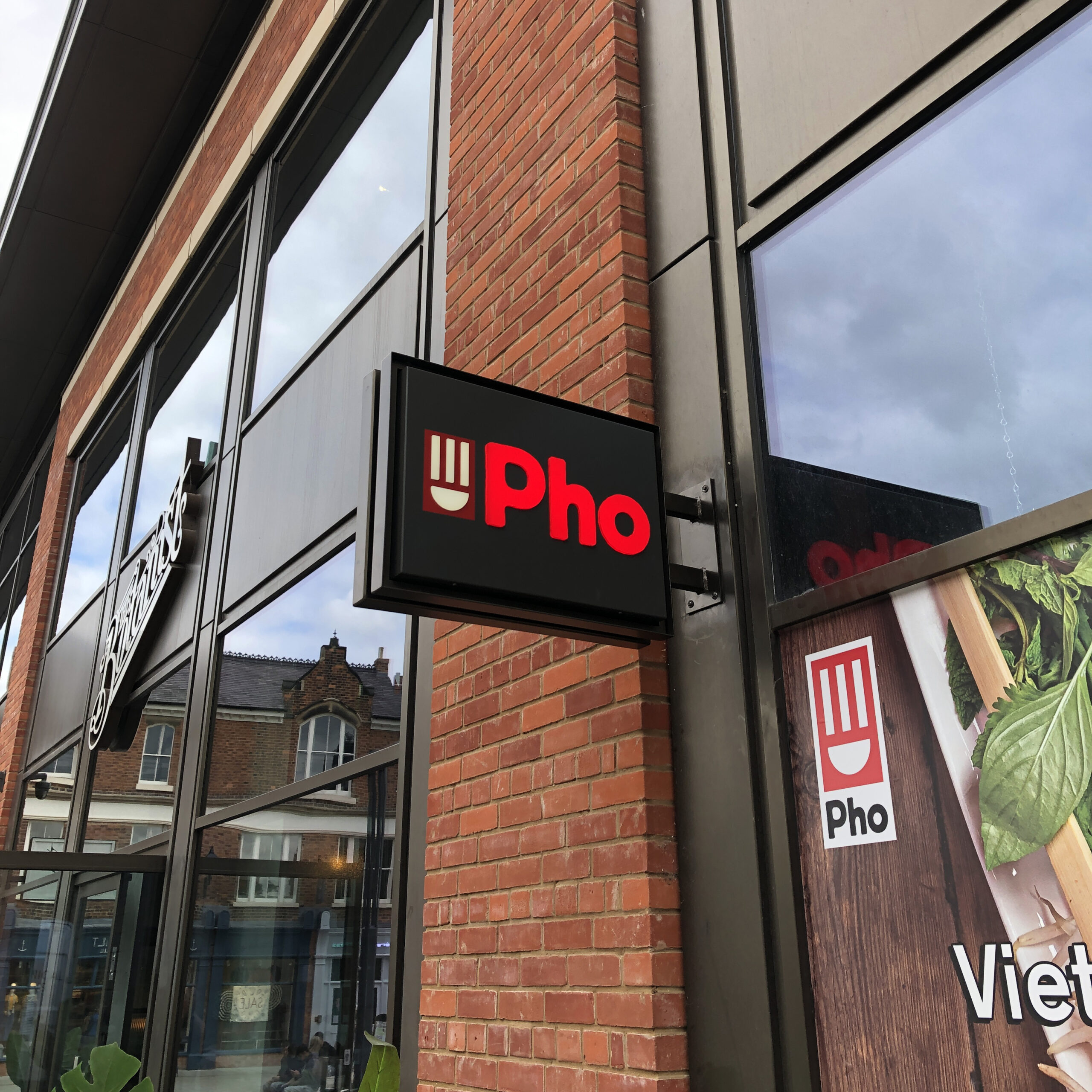
Mounted at a right angle to the building, projection signs are designed to catch the attention of passing footfall. They can be compact and understated or bold and illuminated, depending on the location and the brand. For businesses considering new business signs, they are often one of the most effective ways to improve visibility without overwhelming the shopfront.
Why Fascia Signs Are Not Always Enough
A fascia sign remains an important part of most commercial premises. It identifies the business clearly and creates a strong focal point above the entrance. However, its effectiveness depends on the angle from which customers see it.
On a wide street, a fascia may be visible from the opposite pavement or from passing traffic. On a narrower pavement, customers may be walking close to the building line. By the time they notice a fascia sign, they could already have walked past the entrance.
Projection signs solve this problem by extending outwards from the building. They are easier to see when approaching from either direction, making them particularly useful in areas with steady pedestrian traffic.
Where Projection Signs Work Best
Projection signs can be used by almost any type of organisation, but they are especially valuable for high-street businesses. Independent shops, cafés, restaurants, bars, salons, estate agents, hotels and professional services can all benefit from greater side-on visibility.
They are also useful when a business occupies a recessed unit, shares a frontage with neighbouring premises or has an entrance that is not immediately obvious. A well-placed projection sign acts as a visual marker, helping customers identify the right doorway before they reach it.
In areas with rows of similar buildings, bespoke signs can make an individual business easier to remember. A distinctive shape, logo or illuminated detail can create recognition without requiring an oversized fascia.
Choose the Right Position for Passing Footfall
Placement is one of the most important decisions. The sign should be high enough to remain clear of pedestrians while still being easy to notice from street level. It should also avoid obstructing neighbouring signs, windows, architectural details or sightlines.
The surrounding environment needs to be considered carefully. If every nearby business has a projection sign positioned at the same height, a new sign may blend into the row. A different size, shape or lighting treatment could provide a clearer identity while still complementing the streetscape.
Viewing distance also matters. Customers approaching from further along the pavement need to recognise the sign quickly. A complicated message or small lettering will be difficult to absorb. In most cases, a logo, business name or simple symbol is more effective than a longer description.
Design for Fast Recognition
Projection signs work best when the design is concise. They are not intended to carry the same volume of information as a window graphic, menu board or internal display.
Strong contrast improves readability. Light lettering on a darker background, or dark lettering on a pale background, can help the design stand out. The font should be clear, and the most important information should remain legible from both sides.
Shape can also become part of the brand identity. A traditional rectangular or circular panel may suit many businesses, while custom-shaped bespoke signs can reflect a product, service or logo. A carefully designed sign can feel distinctive without becoming visually cluttered.
Flat Panels, Lightboxes and Built-Up Designs
Projection signs are available in a range of formats. A simple double-sided panel can be a cost-effective option for businesses that need clear daytime visibility. These signs can feature printed graphics, vinyl lettering or dimensional elements.
A projecting lightbox offers greater visibility after dark. This can be particularly useful for hospitality venues, convenience retailers and businesses operating during winter evenings. Internal LED lighting helps the design remain readable while keeping energy use manageable.
More substantial built-up signs can add depth and a premium finish. Depending on the brand, this could include fabricated metalwork, illuminated lettering or decorative brackets. The right option will depend on the property, budget and desired visual effect.
Consider Lighting Without Creating Glare
Illumination can make projection signs work harder, but brighter is not always better. The aim is to make the sign visible and readable rather than overpowering.
An internally illuminated sign can produce an even glow across the face. Halo lighting can create a softer, more atmospheric appearance, while carefully positioned external lighting may suit more traditional designs.
The surrounding area should guide the decision. A sign for a restaurant on a lively town-centre street may need a different approach from a sign in a conservation area or a quieter residential setting. A signage company can help determine an appropriate level of illumination and create a design that supports the character of the premises.
Plan for Fixings and Wind Exposure
Projection signs extend away from the building, which means their fixings need careful attention. Unlike flat-mounted fascias, they can be exposed to additional forces during strong winds.
The size, weight and shape of the sign all affect the installation requirements. The condition of the wall or fascia, the mounting height and the level of exposure should be assessed before manufacture. A sign fitted to a sheltered shopping parade may require a different solution from one installed on an exposed corner building.
Secure brackets and suitable fixings are essential. Larger or heavier signs may require more substantial support, while lightweight materials can sometimes reduce the load without compromising the appearance. Professional installation helps ensure the sign remains stable, level and safe in changing weather conditions.
Check Local Requirements Before Installation
Projection signs may be subject to local authority requirements, particularly if they are illuminated, installed above a certain height or located in a conservation area. Listed buildings and historic town centres may require additional care.
Planning should form part of the design process rather than being treated as an afterthought. A suitable sign needs to support the brand while respecting the building, the streetscape and any relevant restrictions.
A Small Sign That Makes a Big Difference
Projection signs are often modest in size, but their impact can be significant. They improve side-on visibility, guide customers towards the entrance and help businesses compete for attention on crowded streets.
By choosing a clear design, planning the position carefully and using fixings suited to the location, businesses can invest in signs that remain attractive and effective for years. When combined with a strong fascia and well-designed window graphics, projection signs can turn a difficult-to-spot premises into a recognisable part of the high street.