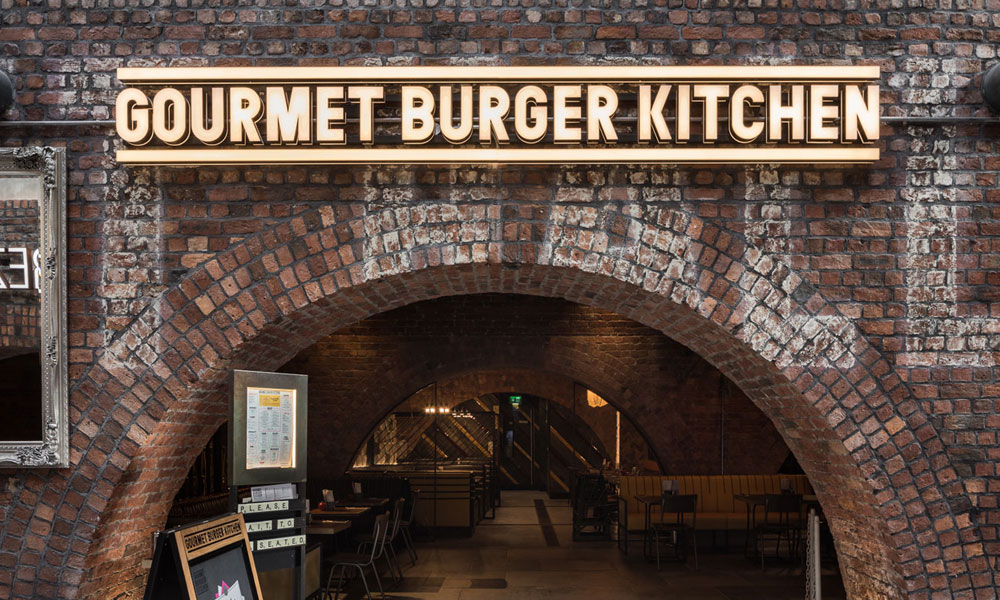
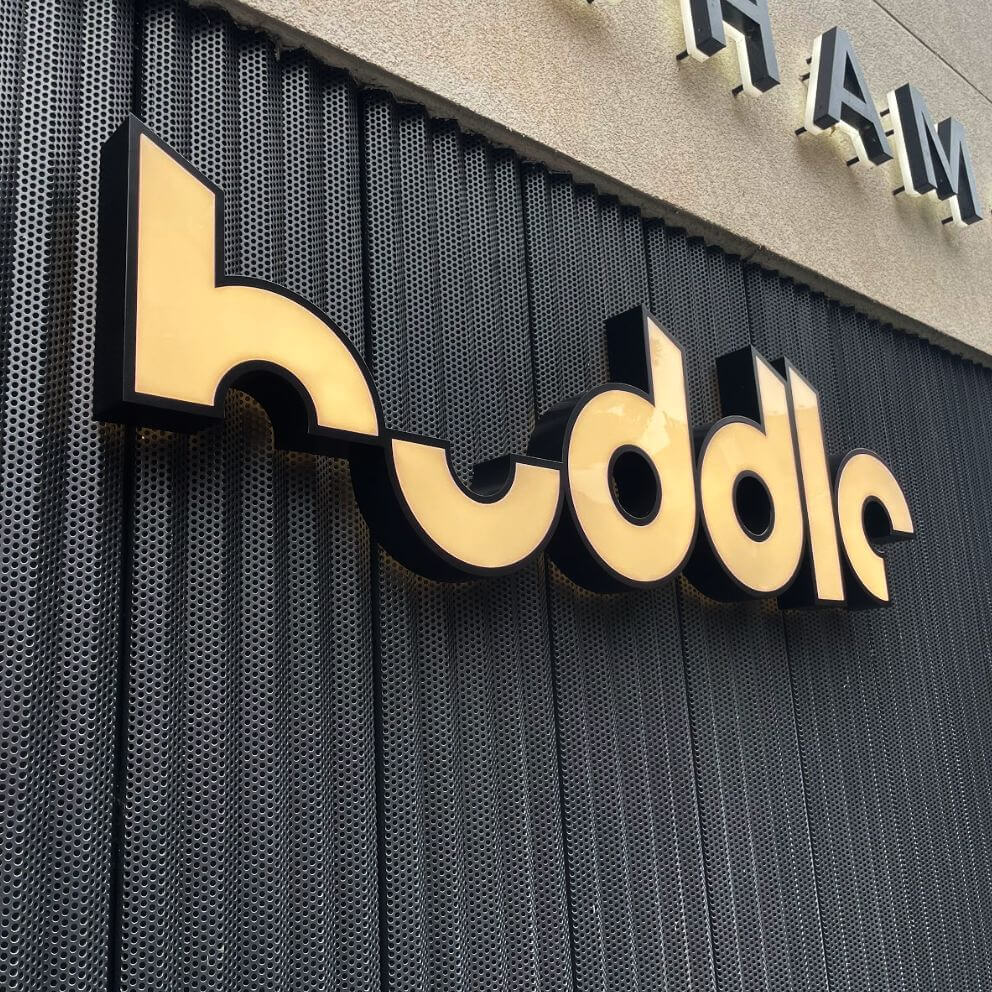
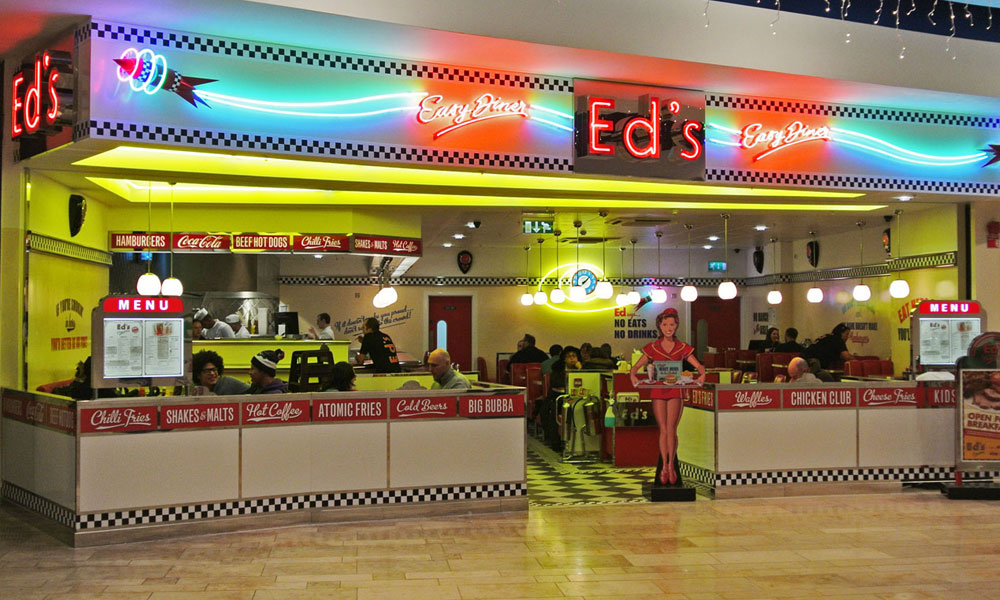
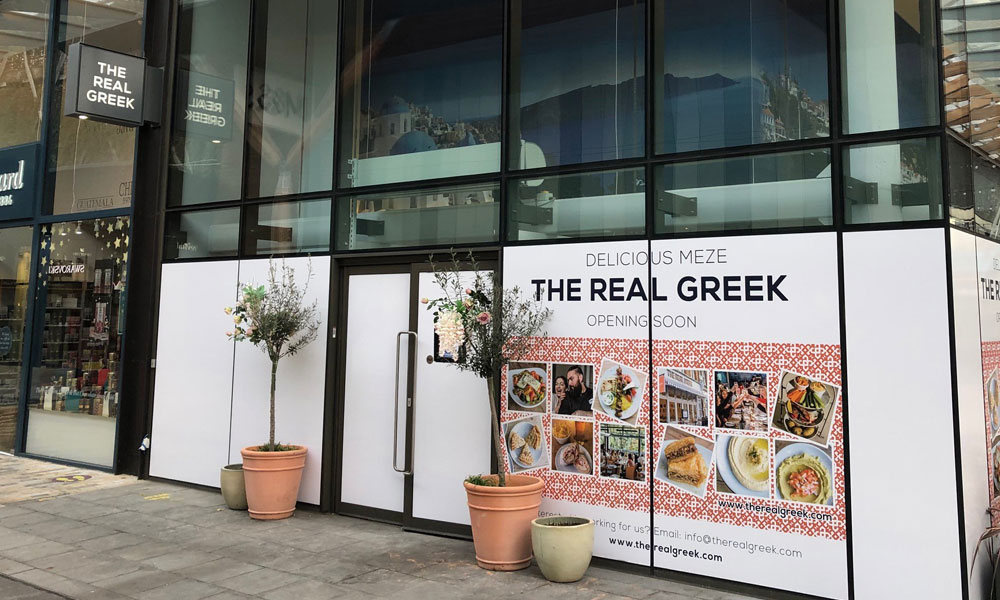
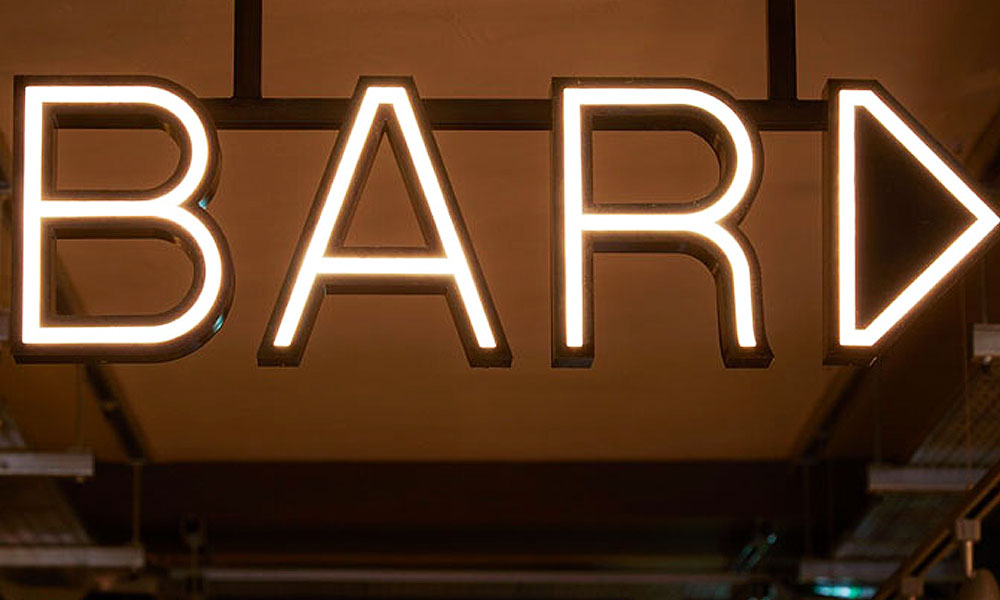
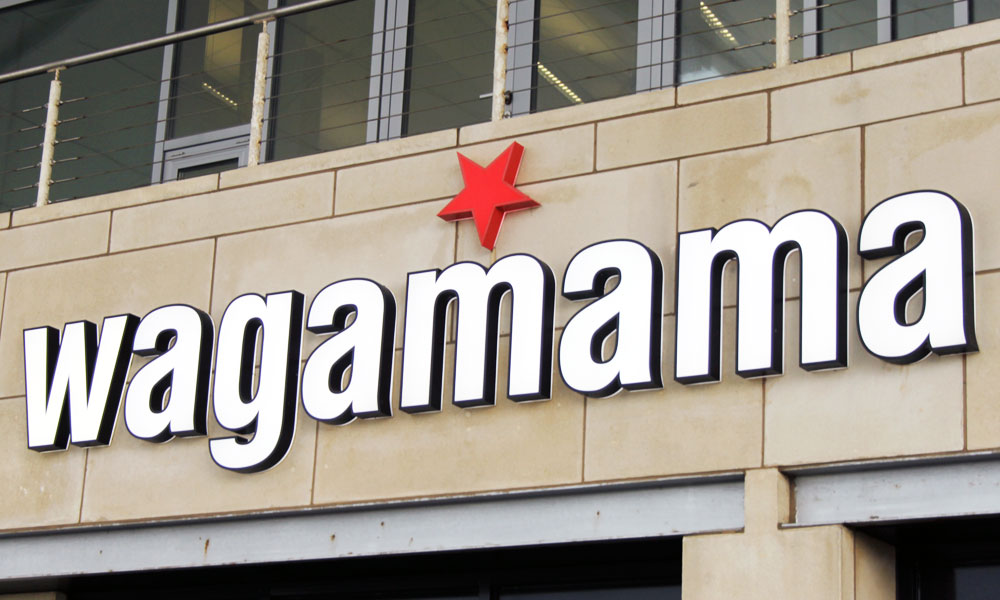
Restaurant signs need to identify the venue, suit its character and remain readable when customers arrive. For an illuminated frontage, the main choices include face-lit channel letters, built-up acrylic letters, halo-lit letters, vacuum-formed signs and stencil-cut illuminated trays.
Each produces a different effect. This guide explains the five options and the practical questions to ask before choosing signage for a new opening, refurbishment or wider brand rollout.
1. Rim and return 3D illuminated channel letters
Channel letters are individually formed letters with depth. In a typical face-lit construction, metal sides, known as returns, surround a translucent acrylic face. LEDs inside the letter illuminate the face, while a rim helps retain it.
This approach gives the business name a clear outline and a three-dimensional presence. The metal finish, face colour and letter depth all influence the result, so the specification should be developed around the artwork and the building.
Consider this option when the name itself needs to be prominent on the frontage. Ask how small details in the logo will be constructed and how the letters will look in daylight as well as after dark.
2. Acrylic illuminated 3D letters
Built-up acrylic letters use acrylic to create a dimensional letter or logo. Depending on the construction, illumination can be designed to show through the face, the sides or a combination of surfaces.
The effect can be bold and contemporary, but the appearance depends on more than colour. Acrylic thickness, letter depth, light distribution and the viewing distance all need consideration. A sample or visualisation can help communicate the intended finish.
Consider this option when an illuminated acrylic appearance suits the brand. Discuss which surfaces should glow and whether the sign will be seen close up, from across the street or both.
3. Halo illuminated 3D letters
Halo-lit letters direct light towards the surface behind them. The letter face is usually opaque, while a gap between the letter and the background allows the reflected light to form a glow around its outline.
The background matters: its colour, texture and reflectivity influence the halo. A rough brick wall can create a different effect from a smooth fascia panel, and the distance from the mounting surface also changes the appearance.
Consider this option when a backlit effect fits the restaurant’s identity. Assess it against the actual wall or fascia, rather than assuming it will look the same on every building. Halo lighting is an aesthetic choice; its cost depends on the particular design and installation.
4. Vacuum-formed 3D illuminated signs
Vacuum forming shapes a heated plastic sheet over a mould to produce a raised face or logo. The formed component can be incorporated into an illuminated sign, giving a consistent three-dimensional shape.
Because tooling is involved, the number of signs required is an important part of the brief. Repeating the same design across several locations may justify the setup differently from a single bespoke sign. Shape, size and production quantity all affect suitability.
Consider this option when a distinctive moulded form is central to the brand or when a repeated design is needed. Ask how the tooling, replacement parts and future versions will be handled.
5. Stencil-cut illuminated trays
A stencil-cut tray uses a folded panel with lettering or graphics cut through its face. Acrylic behind the openings allows light from inside the tray to show through the design. Some constructions use push-through acrylic to add further depth.
This brings the message and its background together in one sign assembly. The panel proportions, cut-out detail and fixing method should be considered alongside the surrounding architecture.
Consider this option when you want a coordinated fascia panel with illuminated details. Discuss how the equipment can be accessed for maintenance and how the sign connects to the available power supply.
Choose for the building, brand and viewing conditions
Compare the options against the same brief: your artwork, frontage dimensions, viewing distance, opening hours, desired lighting effect and budget. Check the proposed appearance in daylight and darkness. Include known site restrictions and agree who will coordinate any required approvals before manufacture.
The frontage may also need a projecting sign, entrance information or window graphics. Treat these as part of a connected package rather than making each decision in isolation.
Explore our approach to restaurant signs, or tell us about your restaurant signage project. Share photographs, approximate sizes and your intended opening date so the team can discuss a suitable direction.